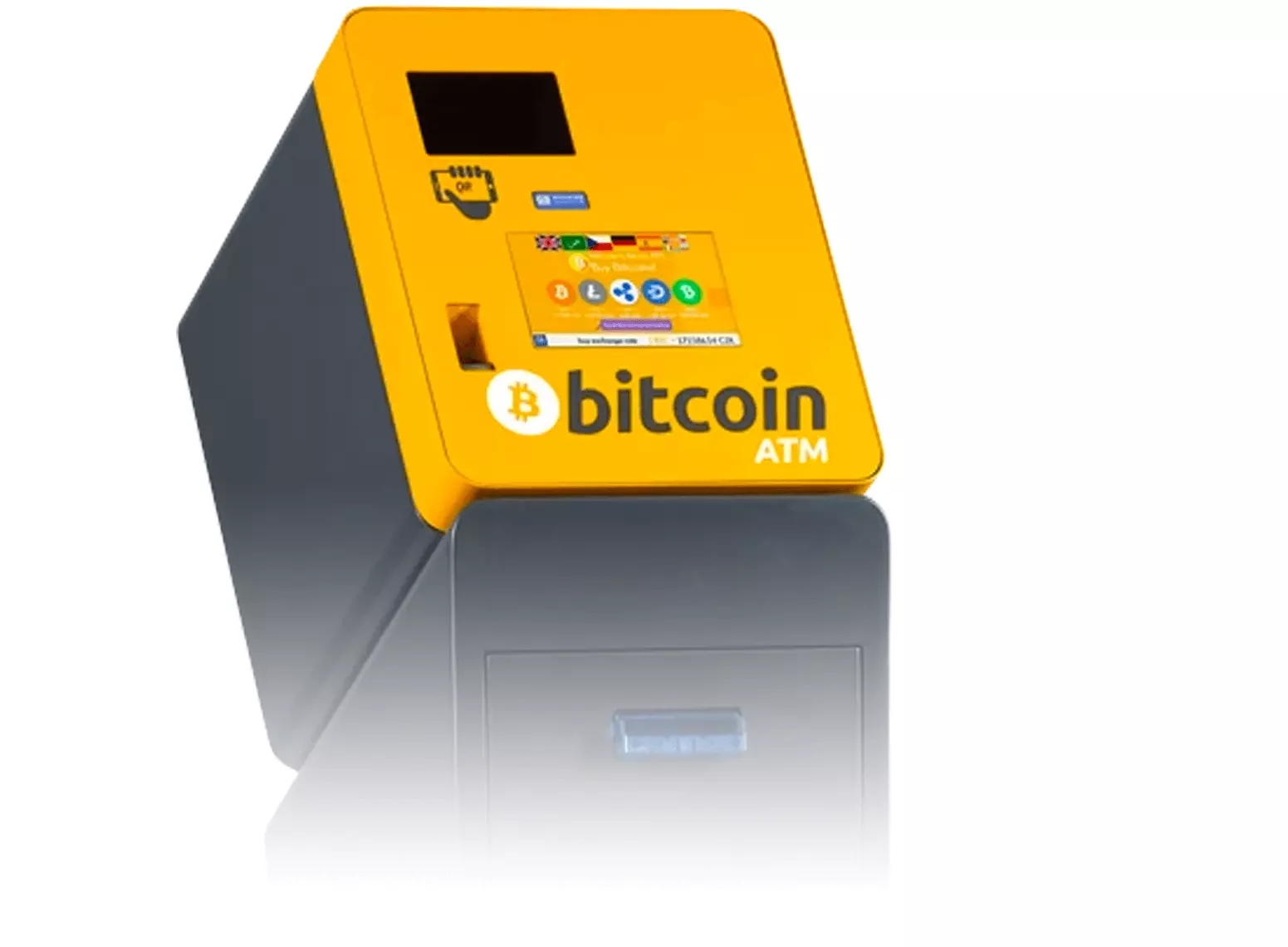
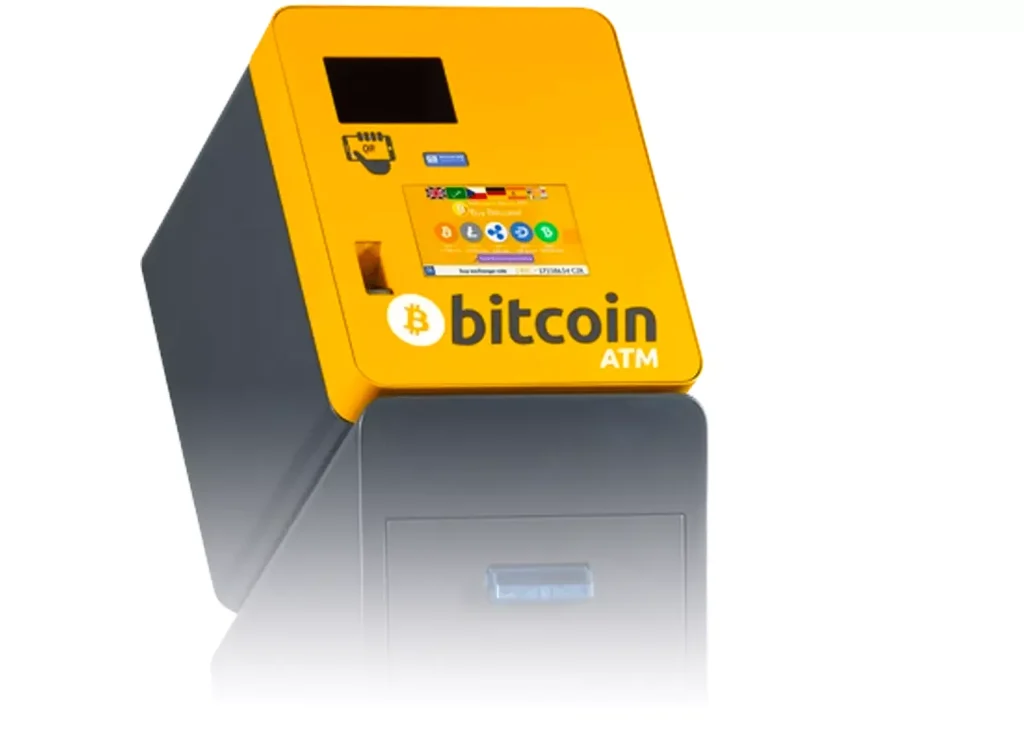
As the popularity of cryptocurrencies continues to surge, Bitcoin ATMs have become a common sight in many cities worldwide. These convenient machines allow users to buy or sell Bitcoin with ease. However, the question that often arises is whether Bitcoin ATMs are safe to use.
In this blog post, we’ll discuss the pros and cons of Bitcoin ATMs to help you decide when to use these cryptocurrency kiosks.
Content
Pros of Bitcoin ATMs
1. Secure Digital Wallets
When you use a Bitcoin ATM, your digital wallet remains secure. Only your public key is shared with the ATM, preventing any unauthorized access to your funds. The ATM operator can only send cryptocurrency to your specified wallet address.
2. Authentication Requirements
Most Bitcoin ATMs require user authentication before processing any transactions. This means that only individuals with access to your wallet can initiate transactions on your behalf, adding an extra layer of security.
3. Convenient Fund Transfers
Bitcoin ATMs offer a hassle-free way to transfer funds from your wallet to someone else’s. Whether you’re splitting expenses with friends or making a purchase, these machines simplify the process of sending cryptocurrencies securely.
Cons of Bitcoin ATMs:
1. Malware and Hacking Threats
While Bitcoin ATMs are designed with security in mind, there is always a risk of malware or hacking attempts. However, reputable BTM manufacturers and operators continually update security measures to minimize such threats. It’s crucial to use ATMs from trusted providers.
2. High Fees and Purchase Limits
Bitcoin ATMs often charge higher fees compared to cryptocurrency exchanges. These fees can range from 7% to 20% in some cases, making them a costlier option for buying or selling Bitcoin. Additionally, there are more stringent limits on the amount of cryptocurrency you can purchase in a single transaction.
Overall Safety Assessment
Bitcoin ATMs are generally considered safe for users. The security protocols in place, such as the requirement for user authentication and the limited access to your digital wallet, make them a viable option for cryptocurrency transactions. However, it’s essential to remain cautious and follow best practices:
1. Choose Reputable Operators
Opt for Bitcoin ATMs operated by well-known and trusted companies. These operators are more likely to prioritize security and regularly update their machines.
2. Check for Tampering
Before using a Bitcoin ATM, inspect it for any signs of tampering or suspicious attachments. If anything seems out of place, avoid using the machine.
3. Test Transactions
Before making significant transactions, consider testing smaller amounts to ensure everything works smoothly. This can help you avoid potential issues.
In conclusion, Bitcoin ATMs offer a convenient way to buy or sell Bitcoin without relying on a traditional bank account. While they come with some drawbacks, such as higher fees and purchase limits, the security measures in place make them relatively safe to use.
As with any financial transaction, it’s essential to exercise caution, choose reputable operators, and keep your digital wallet key secure to make your cryptocurrency experience as safe as possible.
Dennis is a cryptocurrency blogger who writes about the latest developments in blockchain technology. He has been blogging for over 4 years and his posts have been read by people from all around the world. His blog covers a wide range of topics, such as trading advice, new ICOs to invest in, and how blockchains can be used outside of cryptocurrencies. Dennis also enjoys writing about more technical aspects of cryptocurrencies and blockchain technology.