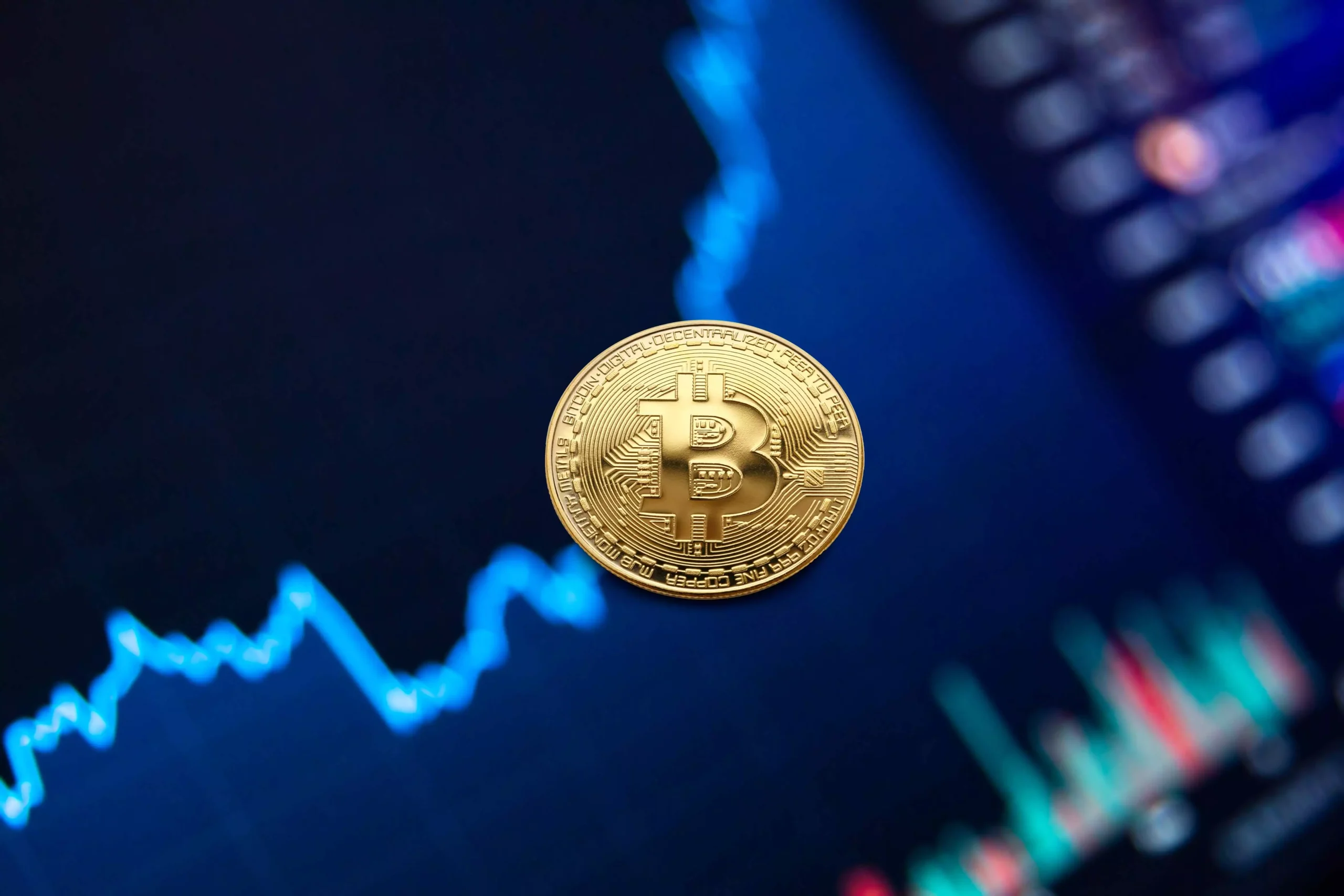
Cryptocurrency trading has become one of the most talked-about financial activities of the past decade. From Bitcoin to Ethereum and thousands of altcoins, digital assets offer the allure of significant profits in a relatively short time. However, the volatile and largely unregulated nature of the cryptocurrency market makes it a risky playground for traders, especially beginners. Before diving in, it’s crucial to understand the risks involved so that you can make informed decisions and protect your investments.
Content
Market Volatility
The most apparent risk in crypto trading is market volatility. Unlike traditional stocks or bonds, cryptocurrencies can experience dramatic price swings within minutes. For example, Bitcoin has seen price changes exceeding 10% in a single day multiple times in its history. While volatility can offer opportunities for profit, it equally exposes traders to substantial losses if they are unprepared. Understanding how to manage this volatility with risk management strategies, such as stop-loss orders or position sizing, is essential for anyone entering the market.
Regulatory Risks
Cryptocurrencies operate in a largely unregulated environment, which poses another significant risk: regulatory uncertainty. Governments around the world are still grappling with how to regulate digital assets. Changes in regulation can have immediate and sometimes devastating effects on crypto prices. For instance, announcements of stricter regulations or bans on crypto trading in major markets can lead to rapid declines in asset values. Traders need to stay updated on global regulations and understand how local laws might impact their trading activities.
Security Risks
Another major concern is security. Cryptocurrency trading platforms are frequent targets for cyberattacks, including hacks, phishing scams, and other forms of fraud. Losing access to your digital wallet or trading account can result in permanent loss of funds. It’s crucial to use reputable platforms, enable two-factor authentication, and store your assets in secure wallets. Platforms like Axiom Trade claim to offer secure trading environments, but it’s always wise to verify the credibility and security measures of any platform before depositing funds.
Liquidity Risks
Liquidity refers to how easily an asset can be bought or sold without affecting its price. Cryptocurrencies can vary widely in liquidity. While major coins like Bitcoin and Ethereum are highly liquid, many smaller altcoins have limited trading volumes, making it harder to execute trades at desired prices. Low liquidity can lead to price slippage, where you buy or sell at a less favorable price than intended. Understanding the liquidity of the assets you trade is essential to avoid unexpected losses.
Psychological Risks
Crypto trading is not just about numbers—it also involves a psychological component. Fear and greed can heavily influence decision-making, often leading traders to make impulsive trades or hold positions too long. The rapid market swings can be stressful, and inexperienced traders may panic during a downturn or become overconfident during a surge. Developing emotional discipline and sticking to a trading plan is crucial for long-term success in the crypto market.
Platform and Counterparty Risks
Not all trading platforms are created equal. Some may lack proper regulation or security measures, while others may engage in unethical practices. Before choosing a platform, it’s important to research its track record, read reviews, and ensure it offers transparent operations. Axiom Trade is one example of a trading platform that promotes cryptocurrency trading services. While it may offer convenience and tools for trading, users should perform their due diligence, understand the fees involved, and verify withdrawal policies to avoid platform-related risks.
Scam and Fraud Risks
The cryptocurrency industry has unfortunately been associated with scams and fraudulent schemes. From fake initial coin offerings (ICOs) to pump-and-dump schemes and phishing attacks, the risk of falling victim to fraud is real. Traders should be cautious when approached with “too good to be true” investment opportunities or aggressive marketing tactics. Always double-check information, stick to well-known assets, and use reputable platforms.
Strategies to Mitigate Risks
While cryptocurrency trading comes with significant risks, there are strategies to reduce exposure:
Diversify your portfolio: Don’t put all your funds into one coin or asset.
Educate yourself: Understand market trends, technical analysis, and fundamental analysis.
Use risk management tools: Set stop-loss orders and limit orders to control losses.
Start small: Begin with amounts you can afford to lose and gradually scale up as you gain experience.
Verify platforms: Ensure the platform you use, such as Axiom Trade, is reputable and secure.
Conclusion
Cryptocurrency trading can be exciting and potentially profitable, but it is far from risk-free. Market volatility, regulatory uncertainty, security concerns, liquidity issues, psychological pressures, platform reliability, and scams all present significant challenges for traders. By understanding these risks and taking proactive steps to manage them, you can navigate the crypto market more safely and increase your chances of long-term success. Always remember that in the world of crypto trading, knowledge, caution, and discipline are your most valuable assets.
Dennis is a cryptocurrency blogger who writes about the latest developments in blockchain technology. He has been blogging for over 4 years and his posts have been read by people from all around the world. His blog covers a wide range of topics, such as trading advice, new ICOs to invest in, and how blockchains can be used outside of cryptocurrencies. Dennis also enjoys writing about more technical aspects of cryptocurrencies and blockchain technology.